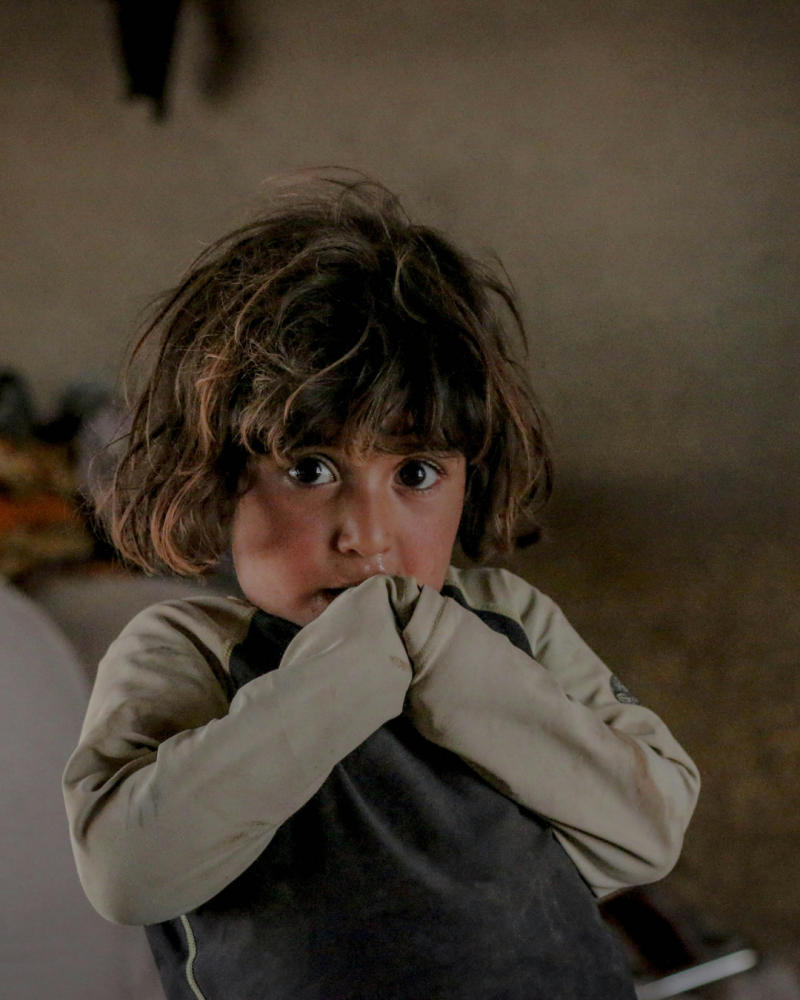
Feeling worried or nervous is a normal part of growing up—but for some children, anxiety becomes overwhelming and interferes with daily life. Pediatric anxiety disorders are among the most common mental health conditions in children and adolescents, and rates continue to rise nationwide [1].
Understanding the signs of anxiety and knowing when to seek help can make a meaningful difference in a child’s emotional health and development.
What Are Pediatric Anxiety Disorders?
Pediatric anxiety disorders involve persistent and excessive worry or fear that is difficult for a child to control. Anxiety may focus on school, social situations, health, safety, or separation from caregivers. Unlike typical childhood fears, anxiety disorders do not resolve on their own and often worsen without support.
The American Academy of Pediatrics (AAP) reports that diagnoses of anxiety in children ages 3–17 increased significantly between 2016 and 2021, highlighting the growing need for early identification and care [1].
Common Signs of Anxiety in Children and Teens
Anxiety can look different depending on a child’s age. Symptoms may include:
- Frequent worry, fear, or “what if” thinking
- Stomachaches, headaches, or nausea without a clear medical cause
- Avoidance of school, activities, or social situations
- Trouble sleeping or frequent nightmares
- Irritability, restlessness, or difficulty concentrating
- Strong distress when separated from parents or caregivers
Some children may not be able to describe their worries clearly, instead showing anxiety through physical complaints or behavior changes.
Why Anxiety in Children Is Increasing
Many factors contribute to rising anxiety rates, including:
- Academic and social pressures
- Exposure to trauma, loss, or chronic stress
- Family stressors and social determinants of health
- Effects of the COVID-19 pandemic and ongoing uncertainty
Adverse childhood experiences and prolonged stress can affect how a child’s brain and nervous system respond to fear, making early, supportive care essential [2].
How Pediatric Anxiety Is Treated
Anxiety disorders are highly treatable, especially when addressed early. Treatment may include:
- Psychotherapy, such as cognitive-behavioral therapy (CBT), to build coping skills
- Parent and family education to support emotional regulation at home
- Medication, when symptoms are moderate to severe or interfere with daily functioning
Care is individualized based on the child’s age, symptoms, and family needs, with a focus on safety, skill-building, and resilience.
How APS Supports Children and Families
At Advanced Psychiatric Solutions, we recognize that mental health is a vital part of a child’s overall health. Our approach includes:
- Developmentally appropriate mental health assessments
- Evidence-based treatment aligned with AAP recommendations
- Trauma-informed, family-centered care
- Ongoing monitoring and collaboration with caregivers
We work to help children feel safer, more confident, and better equipped to manage anxiety as they grow.
When to Seek Help
If anxiety is persistent, worsening, or interfering with school, friendships, or family life, professional support can help. Early treatment not only reduces symptoms but also supports healthy emotional development and long-term well-being.
Sources:
- Mental health initiatives (...). AAP. (2025).
- Epidemic rates of child and adolescent mental health disorders require an urgent response (...). publications.aap.org. (2022).
Worried that your child may be dealing with anxiety? Reach out to us today—call us or conveniently schedule an appointment online.
Call us at: 724-246-4862
Add comment
Comments